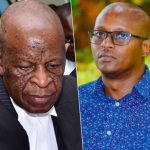


Veteran political journalist Peter Kibazo has narrated how president Museveni summoned former New Vision Chief Executive Officer Robert Kabushenga and the papers top editors to State House to explain over a front-page photo.
Kibazo the host of ‘Olutindo’ and ‘Gasimbaganne ne bannamawulire’ political talk shows on radio Simba said that through his contacts in State House, Kabushenga was briefed early before the meeting with the President that the big man was angry with him and his team at the government owned paper for not leading with a photo of him standing in the millions of people while he was taking oath on their front page after being elected president in 2016.
“After the swearing in ceremony, the President boasted to his invited guests including Sudan’s former president Omar Bashir that he has made a historical record of having more than 1.5m people attending his swearing in ceremony, he wanted to frame that newspaper photo and keep it for a record,” Kibazo said
However, the president was shocked the next day when New Vision led with a photo of him taking oath without showing the huge crowds. When he asked his aides, he was told that Kabushenga and team used that photo because of the newspaper deadline.
More Read

The further told him that his photo where he was standing in the huge crowds was going to be published the next day which was not done.
A very angry Museveni immediately summoned Kabushenga, John Kakande the retired paper news editor and senior photographer Enock Kakande at State House to explain why his photo was not in the paper.
Because Kabushenga was very aware that the big man was angry, “technically when my friend Kabushenga entered the room where Museveni was waiting for them, he knelt down with his team pleading for forgiveness and assured the president what they did was not intentional and they did not mean to intentional annoy him,” Kibazo said.
He added that when Enock a senior photographer was given the opportunity to explain why he failed to take the picture which the President expected to lead as a government newspaper, he heaped the blame on the president’s security team.
He told the President that his security team did not allow him and other photo journalists to come close to him and take photos they wanted.
Immediately, Museveni summoned the chief of his security and directed him allow Kakande to have full access at his gatherings and from that day, for the time Kakande covered the President, he was even allowed to stand on the same podium with the president someti9mes so that he does not miss the killer shots that the President wants.
Kibazo added that Museveni always gets annoyed when he sees newspaper front pages leading with huge number of people surrounding his opponents especially Dr Kizza Besigye and Robert Kyagulanyi Ssentamu (Bobi Wine) and on several occasions he wants to also prove to his opponents that people love him more than them.
“Because of age, am not shocked seeing security turning brutal and using inhuman methods when dealing with those youths running on Bobi Wine’s campaign rallies, they don’t want that photo with huge crowds to lead on the next day’s papers,” Kibazo said
Both former senior press secretaries to the president Joseph Tamale Mirundi and Onapito Ekomoloit confirmed that Museveni gets angry if when his good stories or photos fail to be published in time in the country’s leading dailies and he occasionally calls the publication bosses and grilled them
Before his death, Mirundi said that when people interested in his State House job started fighting him, they made sure that they don’t publish Museveni’s stories and photos in the New vision so that when Museveni summons Kabushega, he tells him that Mirundi sent the photos and stories late which was not true.
Because of the fights, Mirundi decided to use Red Pepper to run Museveni’s stories and the president was happy with the move even though he was later dismissed from State House on allegation of making statements which undermined the First Lady Janet Kataha Museveni.
He was later appointed the Presidential Senior Advisor in charge of media a position he held until his death.