



The Under Secretary Ministry of Lands Housing and Urban Development (MLHUD) Mr. Richard Jjuko has disclosed that nearly 70% of the land in Uganda is unregistered.
Mr. Juuko who was speaking on behalf of the Permanent Secretary MLHUD Ms. Dorcus Okalany during the International Land Conference held at Speke Resort Munyonyo disclosed that it is very inportant to register land because it is a critical component in driving economic growth and wealth creation.
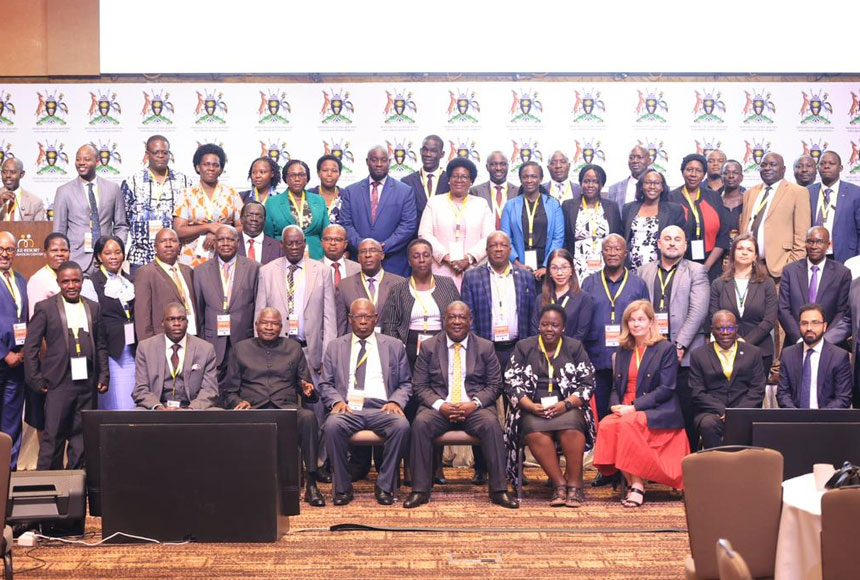
The International Land Conference gathered experts, policymakers, and stakeholders to discuss innovative land reforms that address social equity, economic growth, and climate change under the theme “Land Reforms for Inclusive Social Economic Transformation, and Climate Change Mitigation.”
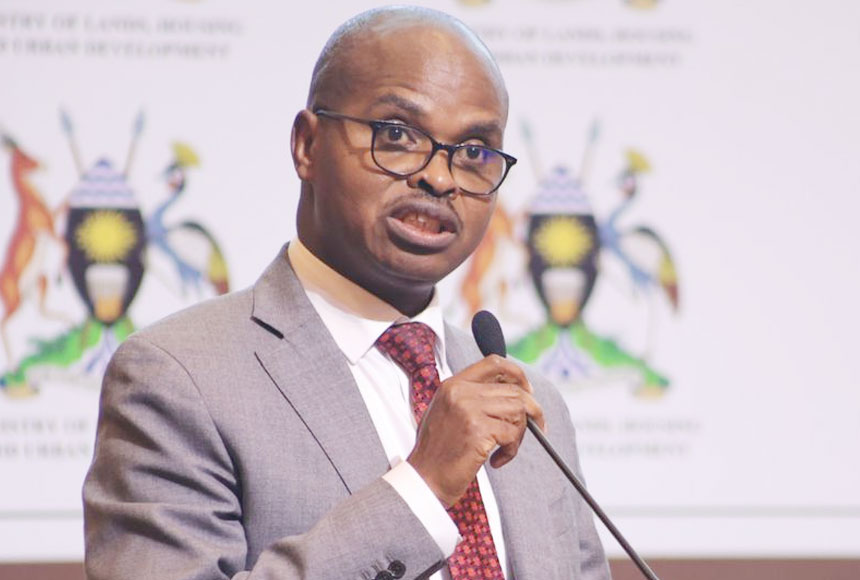
Mr. Juuko explained that the objectives of the conference was to provide feedback on government programs supported by the World Bank’s Competitiveness and Enterprise Development Project (CEDP), share innovations, and scale up land sector activities, particularly in customary land tenure.
More Read

Mr. Juuko’s words were reiterated by the State Minister for Land Dr. Sam Mayanja who disclosed that there is an urgent need to register the remaining 70% of Uganda’s land, mostly customary land, which remains insecure and prone to disputes.
Dr. Mayanja pointed out the limitations not registering land poses for agricultural commercialization and investment. The minister shared insights into the government’s initiatives, including the Parish to Market initiative, designed to boost socio-economic transformation through land utilization.
He also emphasized the need for Uganda to shift from subsistence land practices to a market-driven system, particularly given the country’s projected population growth to 50 million by 2035 and 100 million by 2050. His recommendations included lowering surveying costs, issuing digital land titles, and formalizing communal land ownership.
Hon. Raphael Magyezi, the Minister for Local Government, also addressed the conference, focusing on environmental degradation and the need for climate-sensitive land reforms. He underscored ongoing efforts by local governments to develop physical planning systems that integrate climate change measures. Magyezi highlighted the importance of modernizing land administration to promote economic empowerment and environmental sustainability. He praised initiatives like the National Land Information System (NLIS) and Rapid Physical Planning Interventions (RAPPA) for supporting sustainable land practices and mapping critical ecosystems.
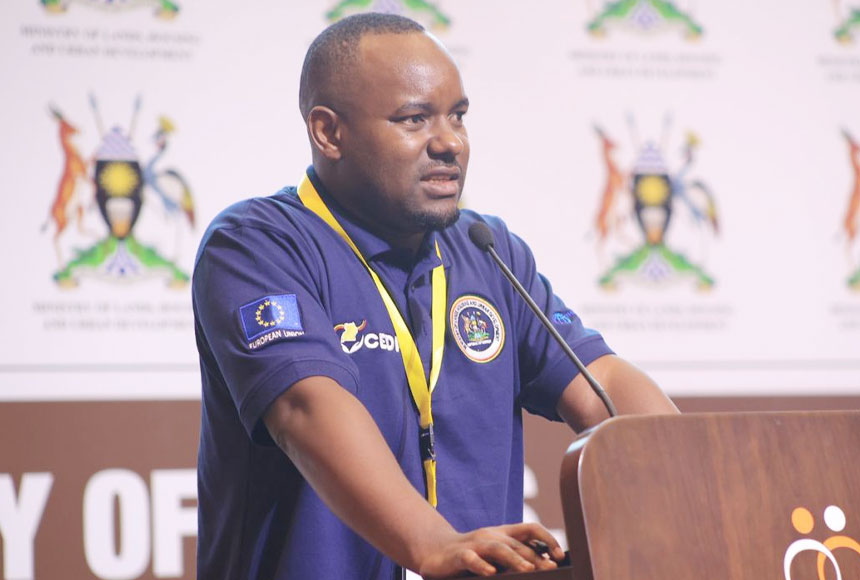
Andrew Nyumba, the Secretary of the Uganda Land Commission (ULC), pointed out some of the challenges of managing government land, citing a lack of legal frameworks, budgetary constraints, and operational inefficiencies. He emphasized the need for reforms and pointed to achievements like improved staffing and financial management. Nyumba outlined future plans, including digitizing records, operationalizing the Land Fund, and lobbying for the enactment of the ULC Bill 2017. He reiterated the commission’s commitment to working with partners to overcome these challenges.
Nadege Orlova, a Senior Land Administration Specialist at the World Bank’s Uganda Country Office, emphasized the need for transformative land reforms to improve Uganda’s economic competitiveness, as the land sector contributes less than 0.1% to GDP.
“While achievements such as increased land registrations and reduced transfer times were noted, challenges remain, including the limited coverage of land registries, delays in administration, and unaddressed gender and environmental concerns.”
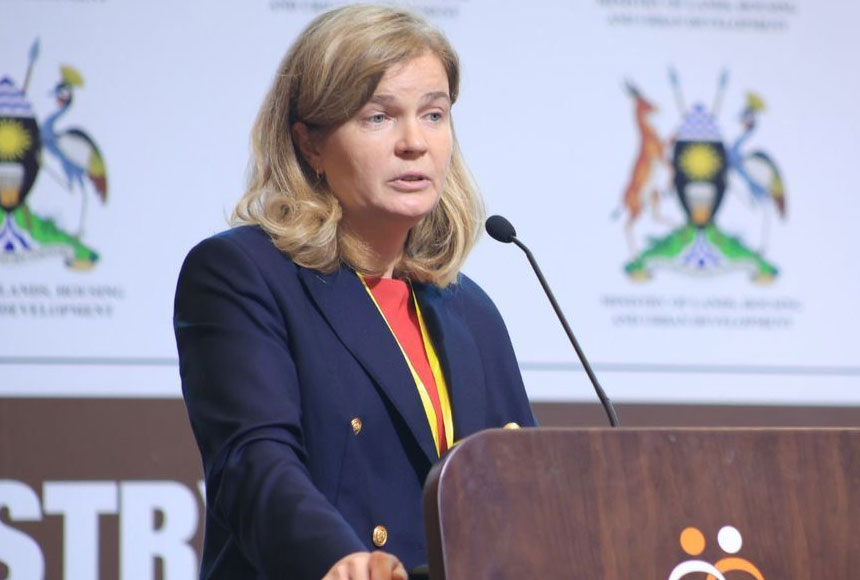
Orlova called for expanding land registries, digitizing land valuation systems, and implementing reforms that address gender equality and environmental sustainability. She also highlighted the importance of strengthening land markets, improving rural land tenure security, and increasing revenue from the land sector to support national development.
In his closing remarks, Sulaiman Akbari, on behalf of the World Bank Africa and the CEDP Uganda Task Team expressed gratitude to the Government of Uganda, the Ministry of Lands, and all participants for the success of the event. He highlighted the impact of the CEDP Uganda program, which has digitized land records, streamlined registration processes, and improved tenure security, demonstrating the power of collaboration in transforming land governance. Akbari emphasized that the conference reaffirmed shared commitments to inclusive land management and sustainable development. He concluded by expressing the World Bank’s eagerness to build on the conference outcomes, strengthen partnerships, and advance Uganda’s land governance to achieve sustainable, impactful solutions.